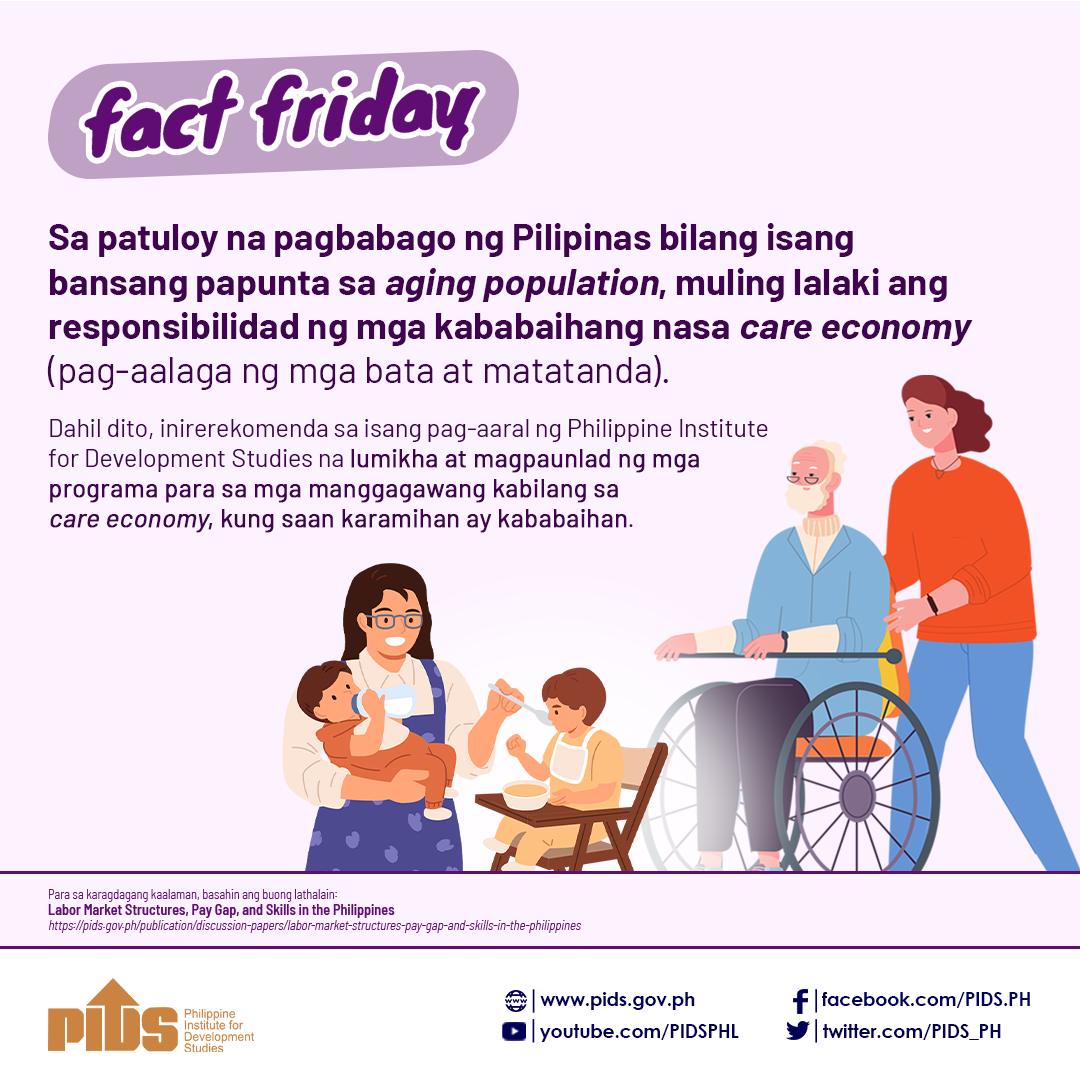
This report examines the future demand for care in Indonesia, the Philippines, and Vietnam, focusing on childcare, care for older people, and care for persons with disabilities. Led by the Global Institute for Women’s Leadership (GIWL) at the Australian National University, in partnership with Investing in Women and local research institutions, the study addresses knowledge and policy gaps in care systems with an emphasis on gender equality and inclusive economic development. ​Rapid demographic transitions, including ageing populations, growing childcare needs, and increasing disability prevalence, alongside women’s disproportionate unpaid care burden, highlight the urgency of equitable care solutions. ​Using an intersectional feminist lens, the research applied mixed methods, gathering qualitative and quantitative data from 335 participants across interviews, focus groups, and workshops, triangulated with national and international statistics. ​
Key findings reveal that care systems remain predominantly informal and family-based, shaped by cultural norms and limited state support, while demand for accessible, professional services grows. ​ Institutional responses are uneven but show promise, with emerging innovative models and policy frameworks. ​However, barriers such as entrenched gender norms, fiscal constraints, and fragmented policies persist. ​Recommendations include strengthening national care frameworks, investing in workforce professionalisation, promoting equitable care norms, and fostering public-private partnerships to build inclusive, sustainable care systems. ​Addressing these challenges through gender-responsive policies is essential to transform care into a recognized pillar of economic and social infrastructure, advancing resilience, productivity, and equality across the region. ​