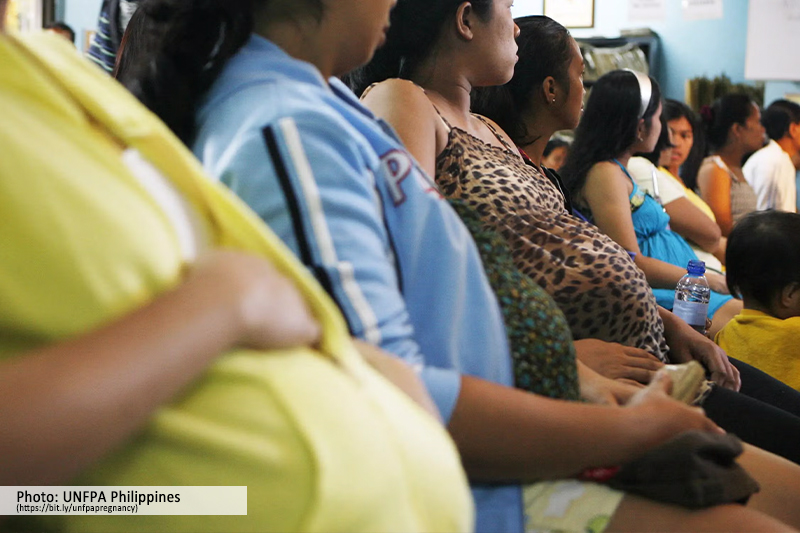
The Philippines' care economy remains deeply shaped by persistent cultural expectations and gender norms, economic constraints, and other challenges. Filipino women continue to bear the disproportionate burden of unpaid care and domestic work, a dynamic that significantly restricts their participation in the paid economy. As the world faces demographic, technological, social, and climate-related transitions, it is crucial to anticipate how these changes can affect the care economy today and in the future, including women's economic empowerment. This paper characterizes the future demand for care in the context of global and local transitions. It also highlights the implications of enduring gender norms and economic challenges, despite the country's relatively rapid development, as well as the current state of the wider care economy on present and future care provision. Additionally, it examines the role of the government in fostering a sound care economy and its concrete responses through an assessment of publicly provided care facilities. Information reflecting various perspectives was collected through key informant interviews and focus group discussions with stakeholders, including families of the elderly, young children, and persons with disabilities; paid care workers; care facility managers; representatives from government, nongovernmental organizations, academia, development partners; and the private sector. Secondary data from national surveys were also analyzed to understand demand for care at various levels, locations, and income groups. Findings show that future demand for care is likely to be shaped not only by various demographic, technological, social, and economic transitions but also by how the current challenges in the care economy are addressed. Currently, the care landscape is characterized by limited access to care services, an underdeveloped care industry, a shortage of qualified care workers and professionals, an uneven distribution of existing facilities, and a family-oriented social context that reinforces gender norms in care provision. In conclusion, this paper draws insights from its findings and offers recommendations for policy and future research.
Comments to this paper are welcome within 60 days from the date of posting. Email publications@pids.gov.ph.