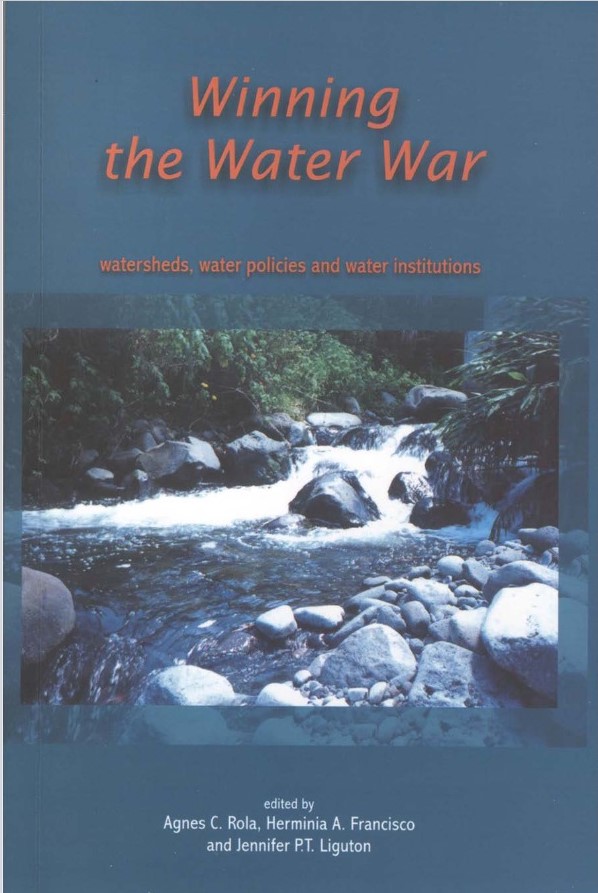
As economies grow, environmental concerns also become more pronounced, particularly regarding water supply, water quality, and the degradation of aquatic environments. The link between surface and groundwater is becoming increasingly relevant, as contaminated aquifers that discharge into streams can lead to the contamination of surface water. This paper examines the current state and future challenges of potable water provision in the Philippines by focusing on three interlinked areas: groundwater resources, surface-water sources, and the institutional role of water districts. In recent years, there has been an increase in studies on this issue due to widespread concerns about water supply and the contamination of groundwater and surface water (lakes, streams, rivers, etc.) by toxic substances. This paper characterizes the groundwater and surface water in selected areas of the Philippines. Basic data from 532 water districts in the Philippines are analyzed to estimate demand and supply, water coverage, and to review some of the water districts' tariffs. A set of policy and operational measures is recommended: integrated source planning across jurisdictions, strengthened groundwater monitoring and licensing, targeted investment in treatment and distribution upgrades, capacity building for water district technical staff, and blended finance mechanisms to scale resilience projects. Implementing these measures can improve water quality, reliability, and equity of access while safeguarding groundwater and surface sources for future generations.
Comments to this paper are welcome within 60 days from the date of posting. Email publications@pids.gov.ph.