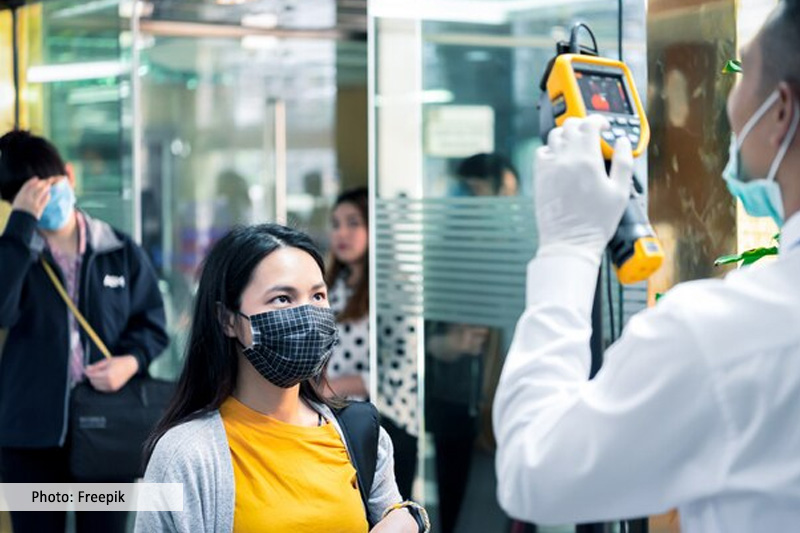
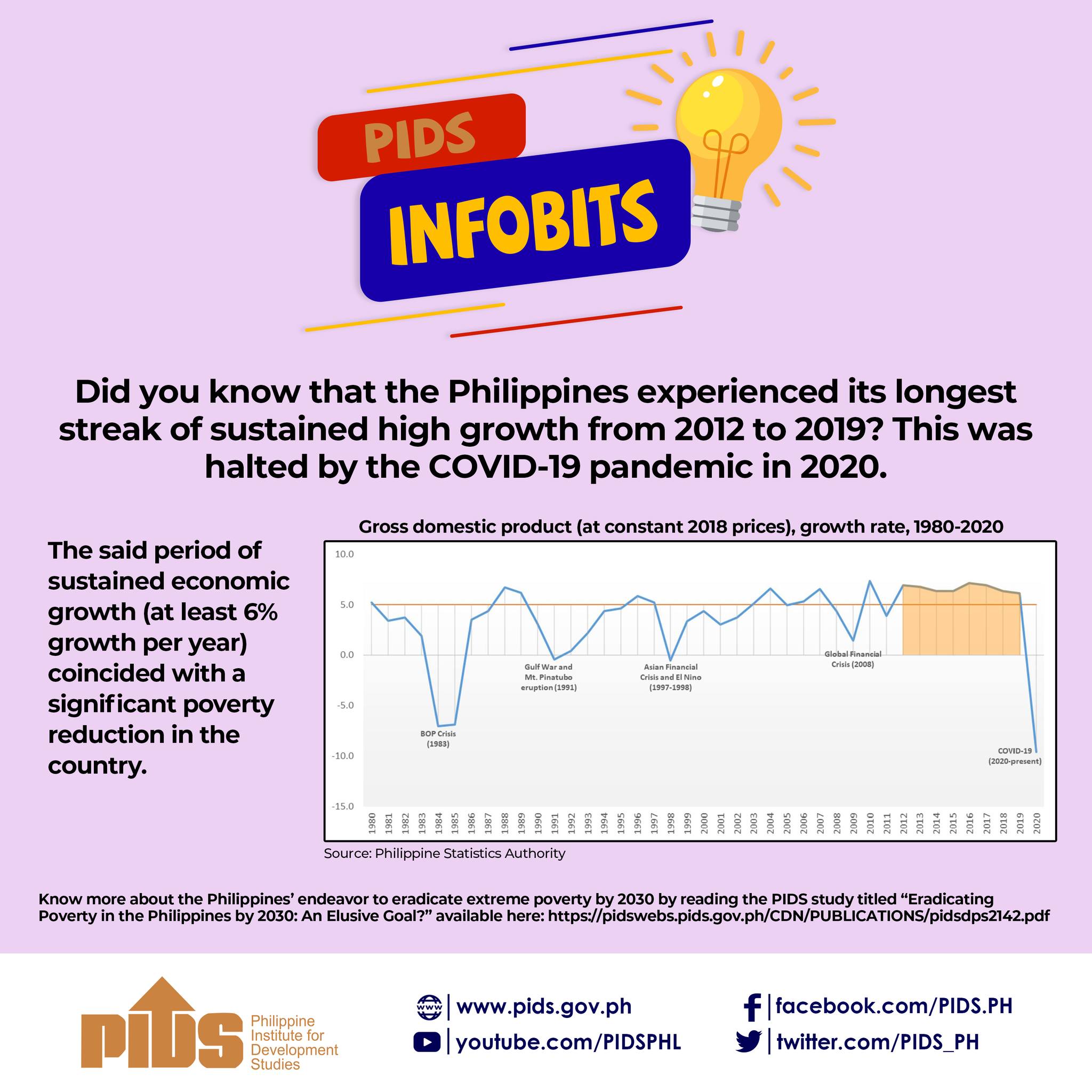
In the Philippines, the COVID-19 pandemic resulted in an unprecedented contraction in gross domestic product—the largest decline among Southeast Asian nations. Beginning in March 2020, the government implemented a series of strict lockdowns to mitigate the spread of the virus. However, these measures led to prolonged disruptions in economic activity, causing declines in revenues, establishment closures, and mass layoffs at the corporate level. An analysis of the impact of the pandemic on corporate performance and employment was conducted using a unique dataset for the Philippines that combines firm-level financial data, establishment-level employment data, and business restrictions data defined for each industry-province-year combination. A panel of around 2,500 firms and 3,900 establishments covering the period from 2018 to 2022 was constructed. Using firm fixed-effects regression, it was found that mandatory business closures had a significant negative impact on corporate revenues, with a full-year closure resulting in a 65.0-percent reduction in annual revenues, or a 5.4-percent reduction for each month of closure. For liquidity-constrained firms, the decline is even larger, suggesting that the lack of liquidity impairs a firm's ability to cope with the crisis and endure business closures. While revenues began to recover in 2022, lingering adverse effects on profitability and employment remain. Finally, it was found that the pandemic had a limited negative impact on firms' financial positions.
Comments to this paper are welcome within 60 days from the date of posting. Email publications@pids.gov.ph.