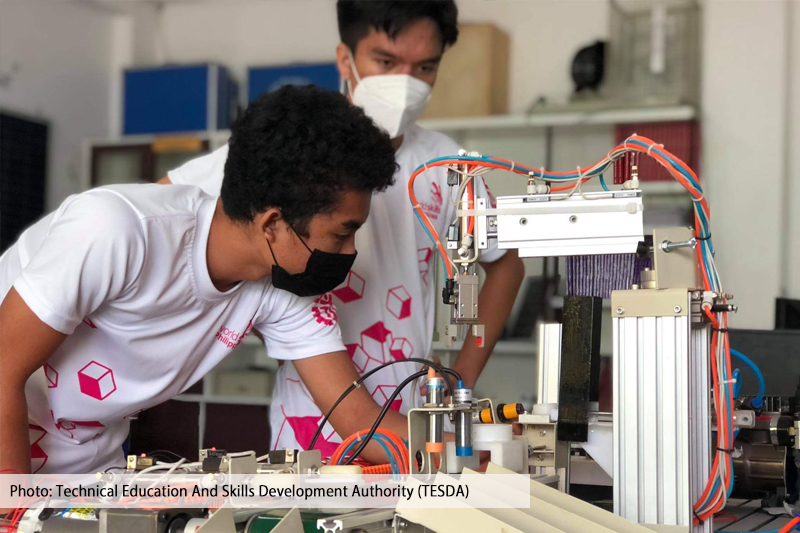
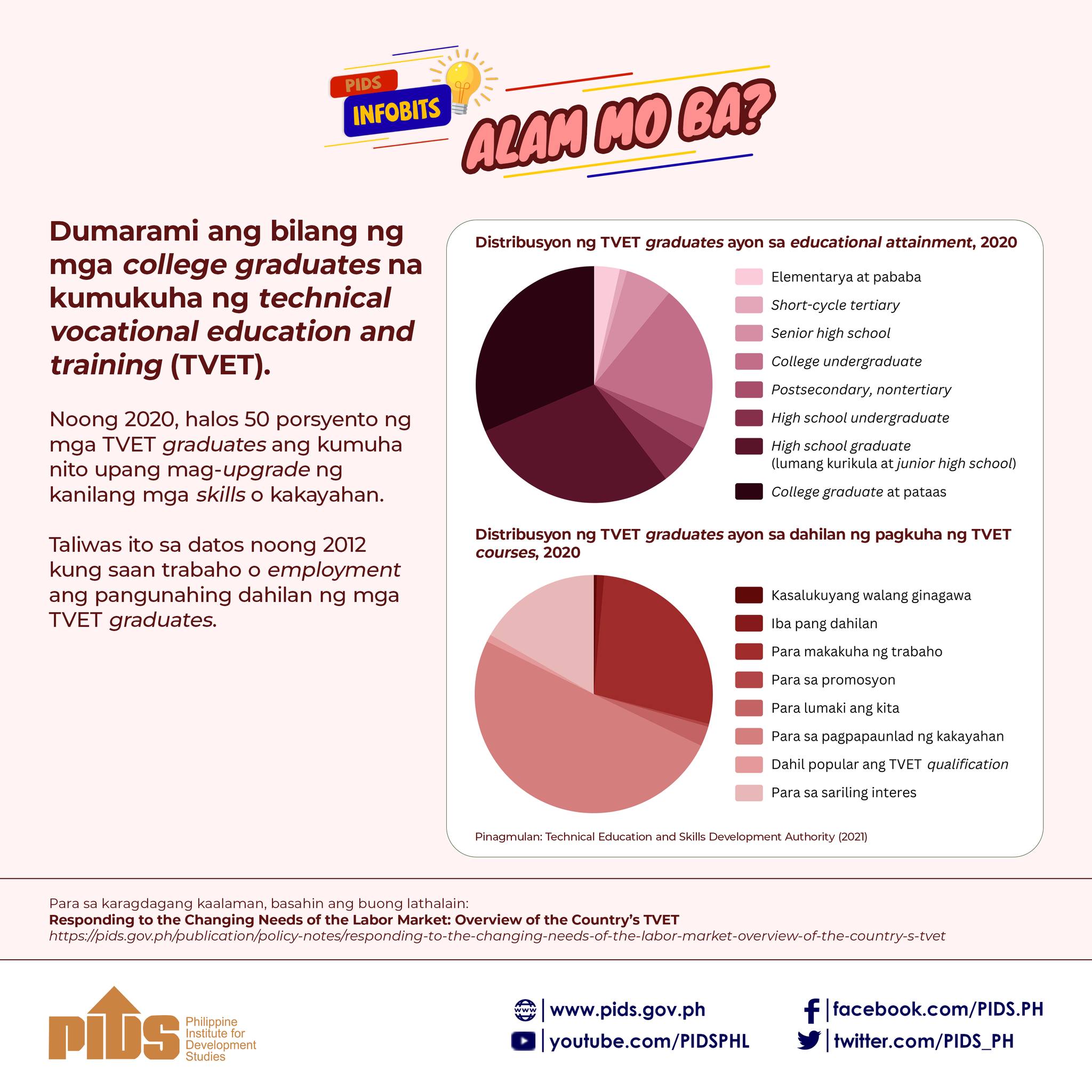
The Technical Education and Skills Development Authority (TESDA) has long helped shape the Filipino workforce by providing “relevant, accessible, high-quality, and efficient technical education and skills development”—collectively known as technical and vocational education and training (TVET). Through these programs, millions of Filipinos have acquired skills for employment and entrepreneurship.
However, a new study by the òòò½´«Ã½ (òòò½´«Ã½) reveals that while TESDA’s scholarship programs improve graduates’ chances of finding jobs, the country’s poorest are increasingly being left behind.
Fewer poor scholars benefiting
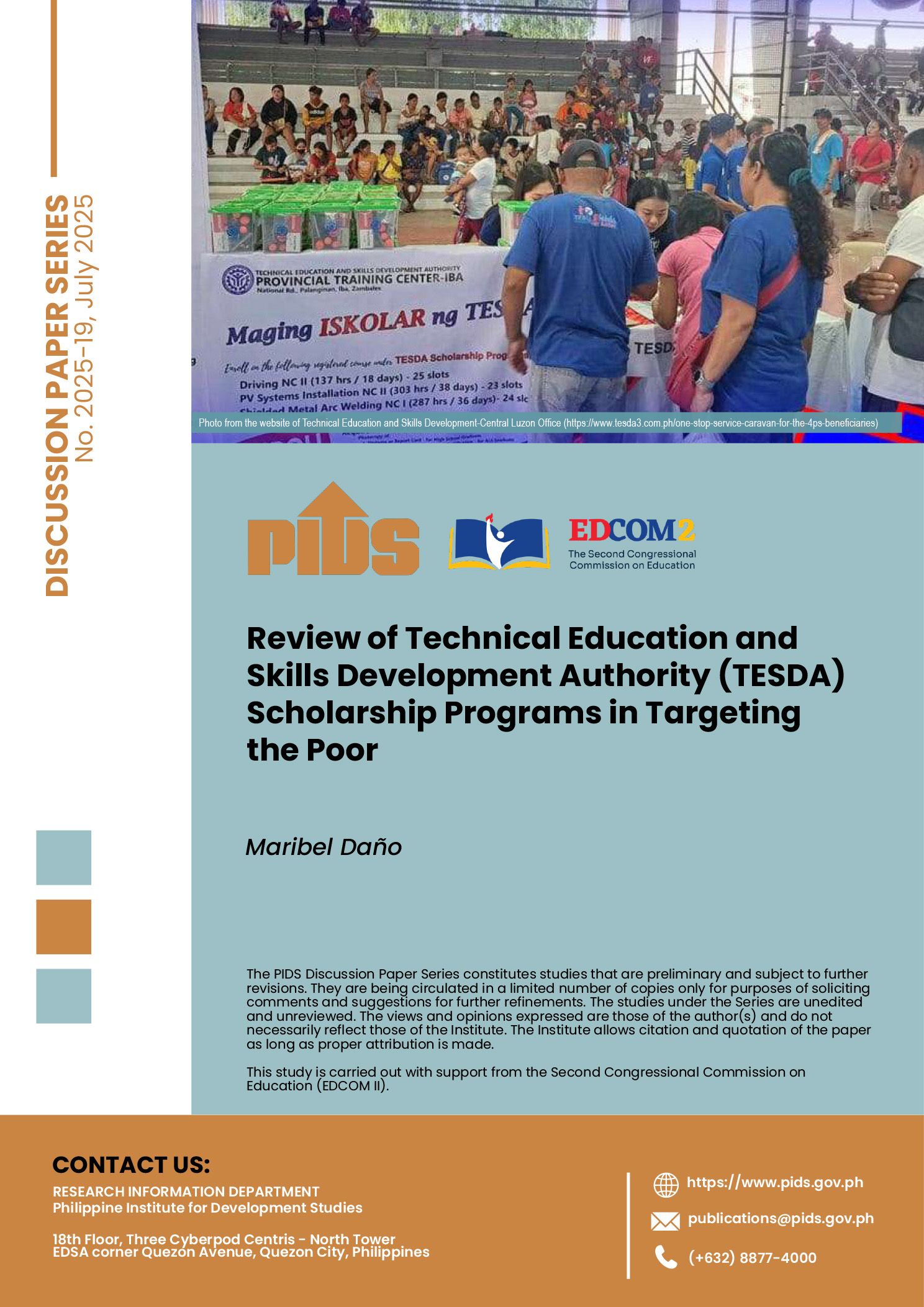
The study titled “Assessing the Effectiveness of TESDA Scholarship Programs in Targeting the Poor”, authored by Dr. Maribel Daño of De La Salle University, found a decline in the share of poor and “disadvantaged scholars” between 2018 and 2022. This group includes individuals from low-income or vulnerable households—such as out-of-school youth, informal workers, and the unemployed—who are meant to be prioritized under TESDA’s poverty-targeting initiatives.
During the same period, participation from wealthier groups increased, while the number of poor Filipinos benefitting from the scholarships decreased. Regional data also indicated that funds were not consistently directed to the poorest areas.
“The 2022 regional distribution of scholarship budgets does not necessarily align with regions with high poverty incidence, where most disadvantaged scholars are located,” Daño observed, limiting the program’s reach among those who need it most.
The study warned that this pattern suggests a gradual exclusion of the poor—those who should be the primary beneficiaries of these scholarships.
Smarter targeting
To improve inclusivity, the study recommended using government databases such as the Department of Social Welfare and Development’s Listahanan and the Philippine Identification System to verify applicants’ poverty status.
However, it cautioned that poverty status should not be the sole criterion for eligibility.
“Motivation has a significant positive partial effect on various outcomes across scholarship types,” the study found, noting that motivated scholars are more likely to complete training and secure employment.
Daño suggested incorporating a motivation assessment—through interviews or scorecards—into TESDA’s screening process, alongside financial need verification. This approach would ensure that assistance is directed to individuals who are both poor and committed to completing their training.
The study also urged policymakers to align scholarship budgets with poverty data. Allocating more funds to provinces with high poverty incidence would make the programs more equitable and consistent with the National Technical Education and Skills Development Plan 2023–2028, which prioritizes inclusive regional growth.
“Budget allocation could use a scorecard that gives higher weights to regions with elevated poverty rates, in addition to weights for other criteria such as alignment with priority sectors,” Daño added.
Better jobs, delayed gains
Despite these equity issues, the study acknowledged that TESDA scholarships continue to help graduates pass assessments, earn certifications, and secure employment—though not immediately after training.
“The scholarship has a positive effect on securing employment after one year, though not immediately after training…This delay could be related to demand factors, as scholars are often located in lower-income cities and municipalities,” Daño explained.
Among TESDA’s major programs, the Private Education Student Financial Assistance (PESFA) was the most effective in helping graduates land jobs right after training. Meanwhile, both PESFA and the Universal Access to Quality Tertiary Education Act (UAQTEA) scholarships showed significant improvements in employment one year later.
Skills mismatch and training alignment
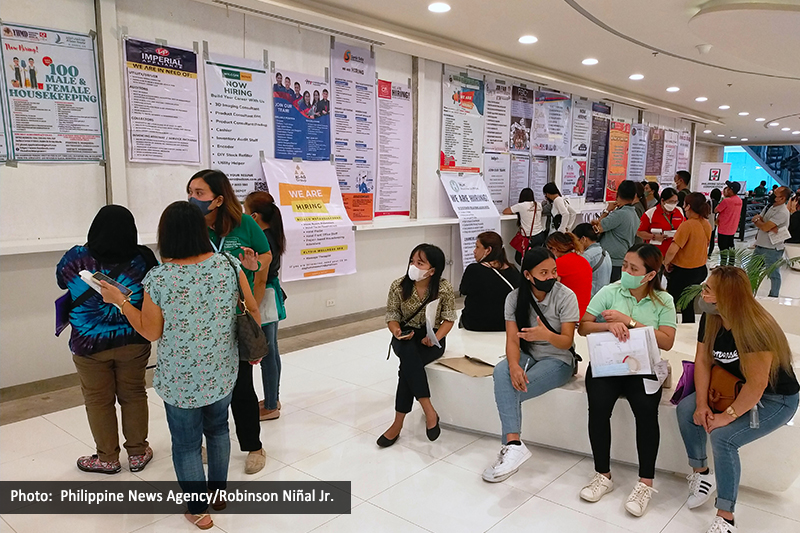
However, employment outcomes were not always aligned with the skills acquired during training. While many graduates earned TESDA certifications, some said their training was not directly related to the jobs they eventually found.
“There is a significant negative association that the programs are not that useful in terms of the certification being required with the graduates jobs,” the author said.
Among the scholarship types, only UAQTEA graduates reported that their training matched their current work, while PESFA scholars still found their training beneficial, even if it was not a job requirement.
The study also called for stronger coordination between TESDA, industries, and local governments to ensure training courses respond to real labor market demands.
Inclusive growth through skills
TESDA’s scholarship programs remain a crucial pathway for Filipinos seeking better livelihoods.
“If TESDA’s policy objective is to promote productivity and equity, then it is worth examining whether both goals are achieved, or one is sacrificed over the other,” Daño noted.
She emphasized that continuous policy assessment is necessary to uncover potential unintended consequences that may arise during implementation—particularly in ensuring that the benefits of TESDA scholarships reach poor and disadvantaged individuals who are genuinely committed to performing well.
Read the full study at . ###—MAEC