THE Philippines, an archipelago blessed with fertile lands and a hardworking agricultural sector, faces a growing storm on the horizon. Climate change, a global crisis, is poised to deliver a devastating blow to the nation’s breadbasket, threatening revenues, livelihoods and the very fabric of rural communities. Without decisive action, the gains made in food security and poverty reduction could be tragically reversed with far-reaching consequences for the entire Philippine economy.
Impact on 2026
The effects of climate change will be increasingly palpable across the Philippine agricultural landscape. Rising temperatures, erratic rainfall patterns and more frequent extreme weather events are the key culprits. These challenges — documented extensively in the country’s National Adaptation Plan (NAP) 2023 to 2050 and further illuminated by a research study and a òòò½´«Ã½’ (òòò½´«Ã½) discussion paper, “Culprit and victim: Scenarios for Philippine agriculture amidst climate change” — will translate to direct and indirect losses for the sector.
One can also see a significant reduction in how water is flowing, which can affect the irrigable area, making the effects of climate change much worse. It is projected that a 1.1 degrees Celsius increase in average temperature in Mindanao may occur, potentially causing the yield of key crops to decrease significantly.
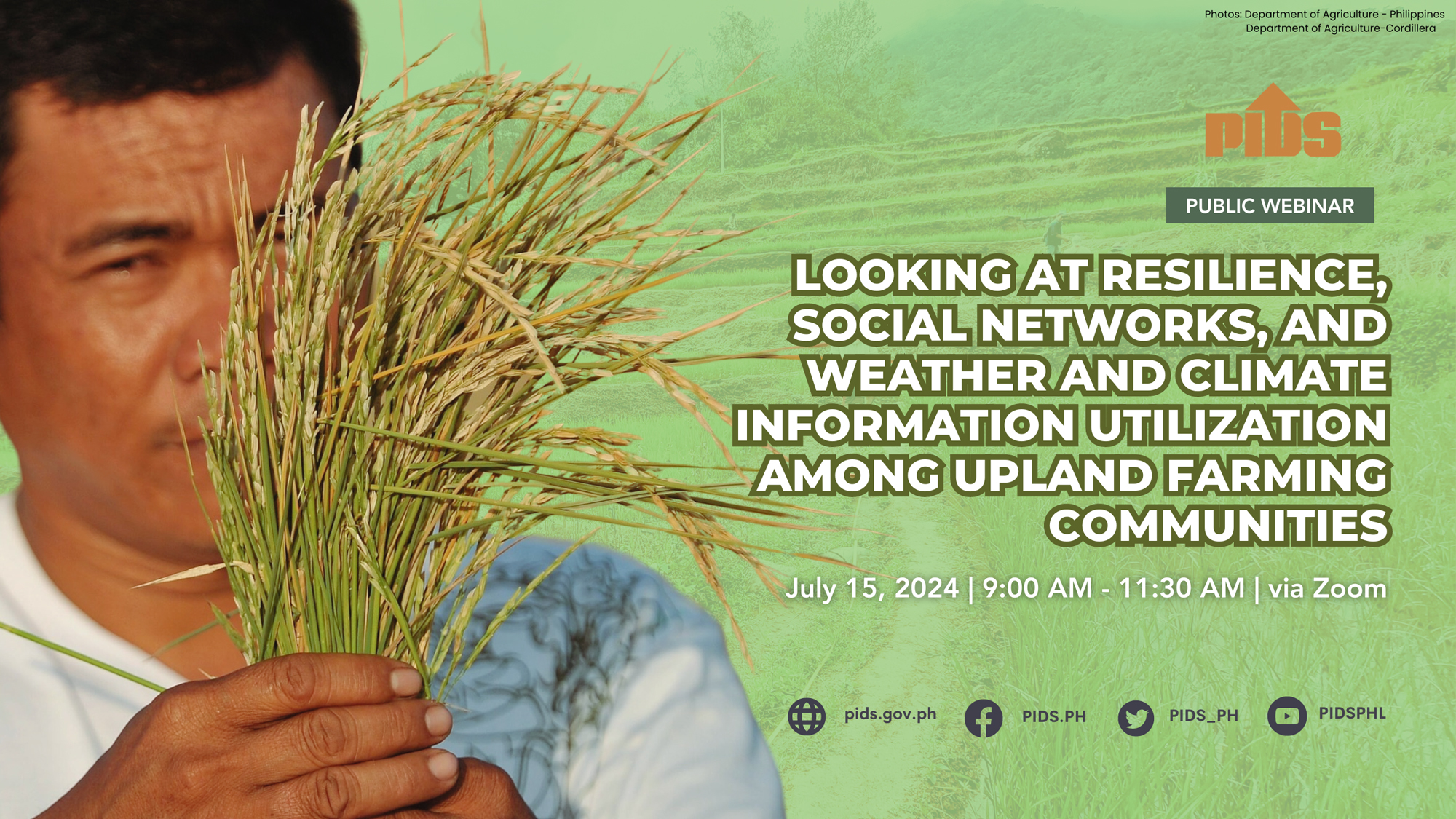
The World Bank’s Philippines Country Climate and Development Report paints a stark picture: Losses stemming from reduced crop yields, livestock deaths and damage to essential infrastructure will ripple through the economy. The hardest hit will be the nation’s most vulnerable: the farmers, fisherfolk and agricultural workers, who depend on the land for their survival. Their livelihoods, already precarious, will be further jeopardized, potentially pushing many into deeper poverty. The costs extend beyond the purely economic. The social capital of rural communities — with schools disrupted, social networks strained by displacement and competition increased for dwindling resources — will be under severe stress.